
Diet
Goji

Introduction
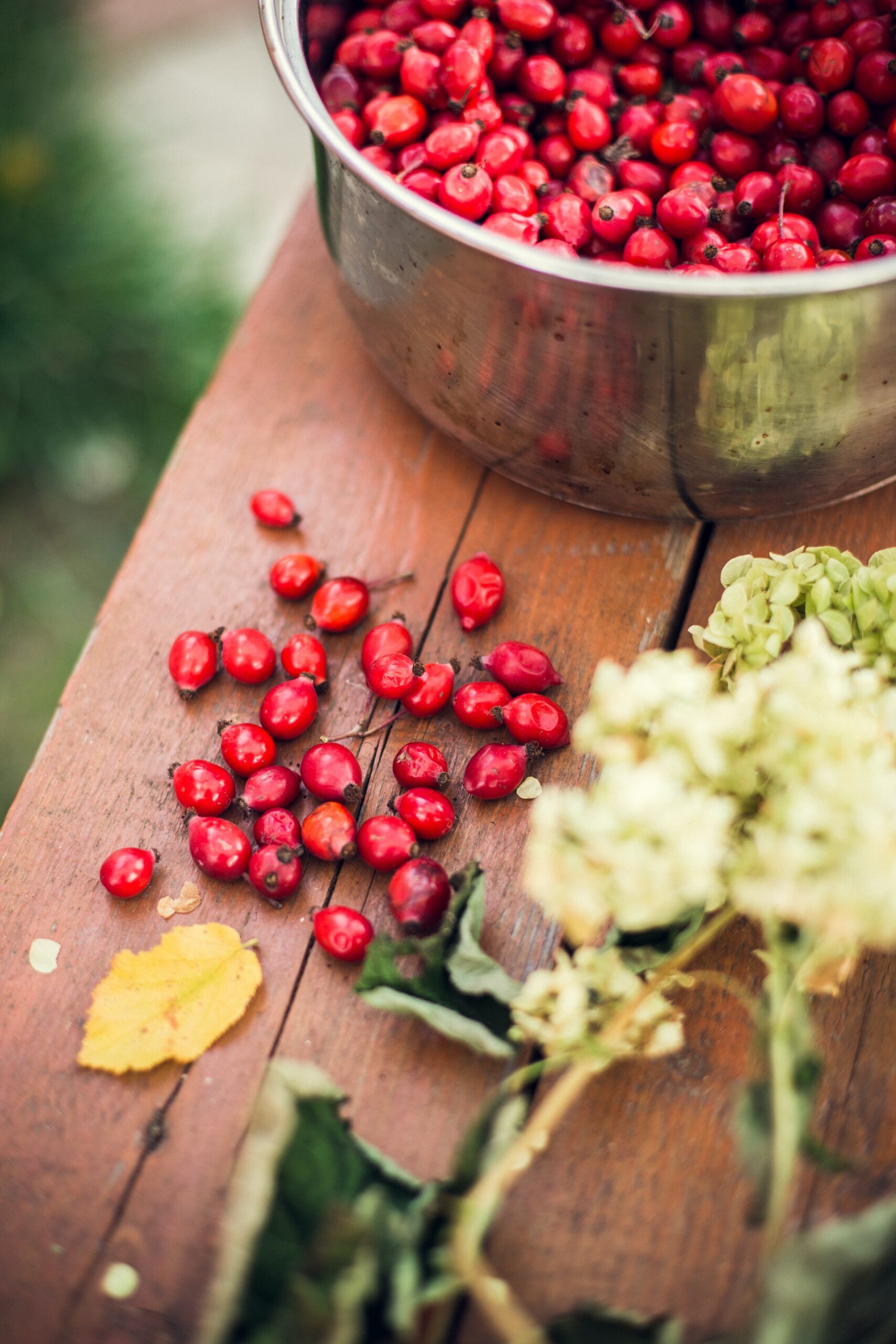
First, there was the Great Wall of China… then Sun Tzu with his book, The Art of War… then there were the Shaolin monks and their kung fu… tofu and then, finally this raisin look-alike known for its benefits healthwise when consumed… yes, we’re talking about the Goji Berry!
But that wasn’t all… the Chinese of course, have left their mark as being humanity’s most intelligent race with an astonishing number of natural and philosophical discoveries through the ages until now!
But we’re here to talk about the Goji berry, so let’s get down to business!
Goji Berry – Origin & its Location
Your first impression of the Goji berry will leave you assuming that it’s actual name, the wolfberry is its commercial name, but it is quite the opposite! Now, since you’re delighted to have that cleared up, you’ll also be happy to know that this fruit comes from two very closely related species: Lycium Barbarum and L. Chinense, two species of boxthorn in the family Solanaceae. Other common vegetables that belong to this family include the potato, tomato, eggplant, deadly nightshade, chili pepper, and tobacco.
Useless fact #7586… you think? [Yawn]
Trust me, there’s more to come…
Very little is known about its original habitat of the wolfberry species (where they grow in the wild) and most scholars (isn’t this exciting?) say that they might have grown in southeastern Europe to southwest Asia as well as in other parts of the world but haven’t been found yet.
Yet it is a documented fact that only in China is where the wolfberry is cultivated for its commercial value. [Read: Cash Crop] And that’s how they’ve amassing a fortune… these clever little folk who thrive on a staple diet of starch, and more starch.
And of course, while Jason Bourne took three novels (made into movies) to figure what his actual name was (fake passports et al), the Goji berry also has a long list of aliases such as the Chinese wolfberry, barbary matrimony vine, bocksdorn, Duke of Argyll’s tea tree, Murali (in India) and red medlar. The names Tibetan goji and Himalayan goji are in common use in the health food market for products from this plant.
The Wolfberry species are deciduous woody perennial plants that grow up to a height of 1-3 metres. L. Chinense is grown in south China and tends to be shorter, while L. barbarum is grown in the north, primarily in the Ningxia Hui Autonomous Region, and is (yes, full marks for guessing)… somewhat taller.
Lastly, Solanaceae is the nightshade family that includes hundreds of plant foods like potato, tomato, eggplant, wolfberry, peppers (paprika), crop commodities (tobacco), and flowers (petunia) with poisonous members such as the Belladonna. And no, it has nothing to do with that ample-chested French porn star named belladonna as well, thanks to a dearth of original-sounding porn names in the industry.
In Closing
Much like Tofu, the Goji berry has become popular in the western world lately as a superfood, due to its numerous health benefits.
Who cares if the Chinese get rich or die trying? Who cares if they rule the world one day? But more pertinently, who cares if I’m just being paranoid here?
As long as you know that the goji berry is healthy for you… that is really all you need to know for now!
So, do you have any experiences in eating the goji berry? If so, share them with us.





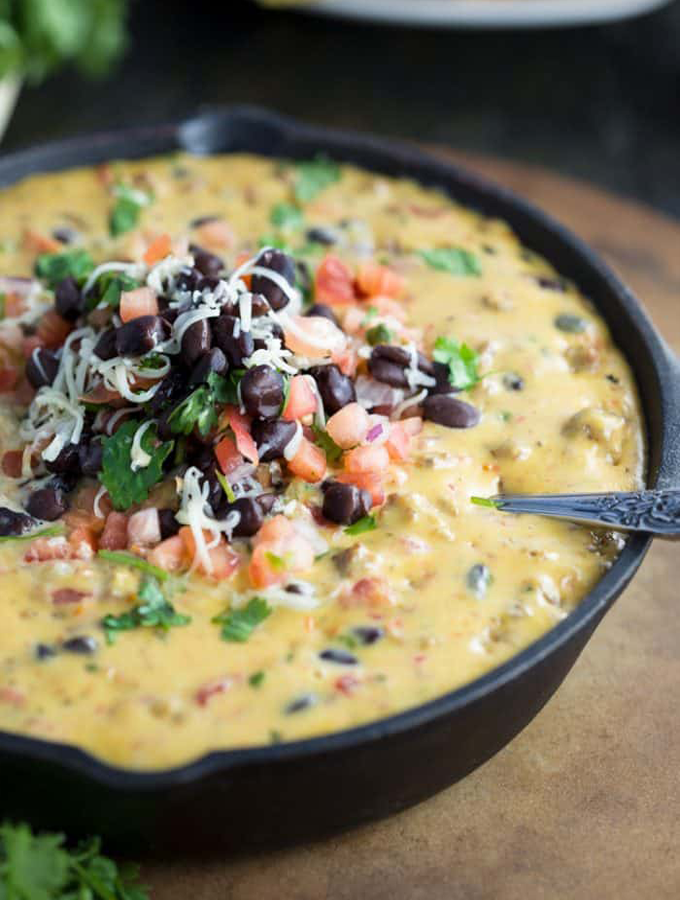
Saddle up, amigos! Get ready to embark on a flavorful journey through the rugged terrain of the Wild West with a dish that’s as bold and adventurous as the cowboys who roamed the plains. Cowboy Queso, a beloved Tex-Mex creation, is more than just a dip – it’s a culinary ode to the spirit of the frontier. Join us as we dive into the rich history, tantalizing recipes, and mouthwatering variations of this iconic dish that will have you craving for more. So grab your cowboy hat and lasso because we’re about to rustle up some serious flavor with Cowboy Queso Chronicles!
The History of Queso in the Wild West
Long before queso became a beloved Tex-Mex staple, its roots in the Wild West traced back to a time when cowboys roamed the open plains. Picture rugged cattle drives and campfire cookouts under the starry night sky – that’s where cowboy queso found its humble beginnings.
In those early days, simple ingredients like cheese, chilies, and tomatoes were combined over an open flame to create a hearty and satisfying dish for weary trail riders. The flavors of the Wild West mingled with Mexican influences to give birth to what we now know as cowboy queso.
As settlers moved westward, so did this tasty concoction. Cowboys would gather around their campfires after long days on horseback, sharing stories and passing around a steaming pot of cheesy goodness. It was more than just food; it was a symbol of camaraderie and shared experiences in an unforgiving landscape.
Today, cowboy queso has evolved into a versatile dish that can be found in restaurants and homes across the country. Its rich history reflects the spirit of adventure and resilience that defined life in the Wild West.
Traditional vs Modern Cowboy Queso Recipes
When it comes to Cowboy Queso, the clash between traditional and modern recipes is a culinary showdown of epic proportions. Traditional cowboy queso often consists of basic ingredients like cheddar cheese, tomatoes, onions, and jalapeños cooked over an open flame. These simple yet flavorful components capture the essence of the Wild West’s rugged charm.
In contrast, modern cowboy queso recipes have taken this classic dish to new heights by incorporating gourmet cheeses, exotic spices, and unconventional add-ins like bacon or avocado. The result? A bold fusion of flavors that pushes the boundaries while still paying homage to its roots.
Whether you prefer sticking to tradition or embracing innovation, one thing is certain – Cowboy Queso will always hold a special place in Western cuisine as a versatile and irresistible appetizer that brings people together around the campfire or at home.
Unique Ingredients and Variations of Cowboy Queso
When it comes to Cowboy Queso, the possibilities are as vast as the Wild West itself. Traditional recipes call for a blend of cheddar and pepper jack cheeses, but modern twists have introduced ingredients like cream cheese, salsa verde, or even ground beef for an extra kick.
Some variations feature the addition of smoky bacon or spicy chorizo to elevate the flavor profile. Others opt for a touch of sweetness with caramelized onions or roasted red peppers. The beauty of Cowboy Queso lies in its adaptability – you can truly make it your own by experimenting with different combinations of ingredients.
For those looking to add a Tex-Mex flair, tossing in some diced jalapeños or green chilies can bring a welcomed heat to the dish. And let’s not forget about topping options; from fresh avocado chunks to crispy fried onions, there’s no shortage of ways to customize your queso creation.
Step-by-Step Guide: How to Make Cowboy Queso at Home
Are you ready to bring a taste of the Wild West into your kitchen? Making Cowboy Queso at home is easier than you think. Let’s dive into the step-by-step guide to create this delicious, cheesy dip that will have your guests asking for more.
Start by gathering all the ingredients: ground beef, bell peppers, onions, jalapeños, spices like chili powder and cumin, Velveeta cheese, and a can of diced tomatoes with green chilies.
In a skillet, brown the ground beef with diced onions and peppers until cooked through. Add in the spices for that authentic Tex-Mex flavor profile.
Next, melt the Velveeta cheese in a saucepan over low heat. Once melted, stir in the cooked meat mixture and diced tomatoes with green chilies.
Mix everything well until combined and creamy. Serve hot with tortilla chips or sliced veggies for dipping. Enjoy your homemade Cowboy Queso straight from the frontier of flavor!
Pairing Suggestions and Serving Ideas for Cowboy Queso
Looking to elevate your cowboy queso game? Pair this hearty and flavorful dip with an array of delicious accompaniments for a true Wild West experience.
For a classic twist, serve your cowboy queso with crispy tortilla chips or warm, soft pretzels. The salty crunch perfectly complements the creamy richness of the queso.
Want to add some freshness to your spread? Try pairing cowboy queso with sliced veggies like bell peppers, carrots, and celery. The crispness of the veggies provides a nice contrast to the indulgent cheese dip.
Feeling adventurous? How about serving it alongside jalapeño poppers or spicy buffalo wings for an extra kick of flavor?
Don’t forget about beverages! A cold beer or a refreshing margarita can be the perfect complement to the bold flavors of cowboy queso.
Get creative with your pairings and have fun experimenting with different combinations to find what suits your taste buds best.
Conclusion: Embracing the Flavors of the Wild West with Cowboy Queso
Savoring the rich, bold flavors of it is like taking a culinary journey through the rugged landscapes of the Wild West. Each velvety bite tells a story of tradition and innovation, blending spicy peppers with creamy cheese in a harmonious dance of taste.
From cattle ranches to modern kitchens, the legacy of Cowboy Queso lives on as a symbol of frontier spirit and gastronomic creativity. It’s more than just a dish; it’s a cultural experience that brings people together around the table to share laughter, stories, and unforgettable flavors.
Whether you prefer it hot and fiery or mild and comforting, there’s no denying the allure of this Tex-Mex favorite. As you dip your tortilla chip into that bubbling pot of cheesy goodness, you’re not just eating food – you’re experiencing history in every mouthful.
So next time you crave a taste adventure, saddle up your taste buds for a wild ride with it. Let its spicy charm transport you to an era where cowboys roamed free and flavors knew no bounds.
FAQs
Q: Can I make Cowboy Queso vegetarian-friendly?
A: Absolutely! You can easily swap out ground beef for plant-based alternatives like crumbled tofu or textured vegetable protein.
Q: How long does Cowboy Queso last in the fridge?
A: If stored properly in an airtight container, it can last for up to 4-5 days in the refrigerator. Just reheat it gently on the stovetop or microwave before serving.
Q: Are there any gluten-free options for making Cowboy Queso?
A: Yes, you can use cornstarch instead of flour as a thickening agent to make your Cowboy Queso gluten-free while still achieving that creamy consistency.
Embracing the Flavors of the Wild West it brings together history, tradition, and modern twists into one delicious dish. From its roots in cowboy campfires to kitchens around the world today, this flavorful dip has become a staple at gatherings and parties. Whether you stick to tradition or get creative with unique ingredients, making your own batch of it is sure to impress your taste buds and guests alike. So grab your chips, dig in, and savor every bite of this iconic Wild West creation!
To Toastul Tales, where every slice of bread becomes a canvas for culinary creativity and flavor exploration. Join us on a journey through the art of toast making as we unlock the delicious potential of this humble breakfast staple. From classic combinations to exotic inspirations, get ready to elevate your toast game and savor flavorful moments with each bite. Let’s dive into the world of Toastuls and discover how a simple slice can transform into a culinary masterpiece!
The Art of Toast Making: From Basic to Creative
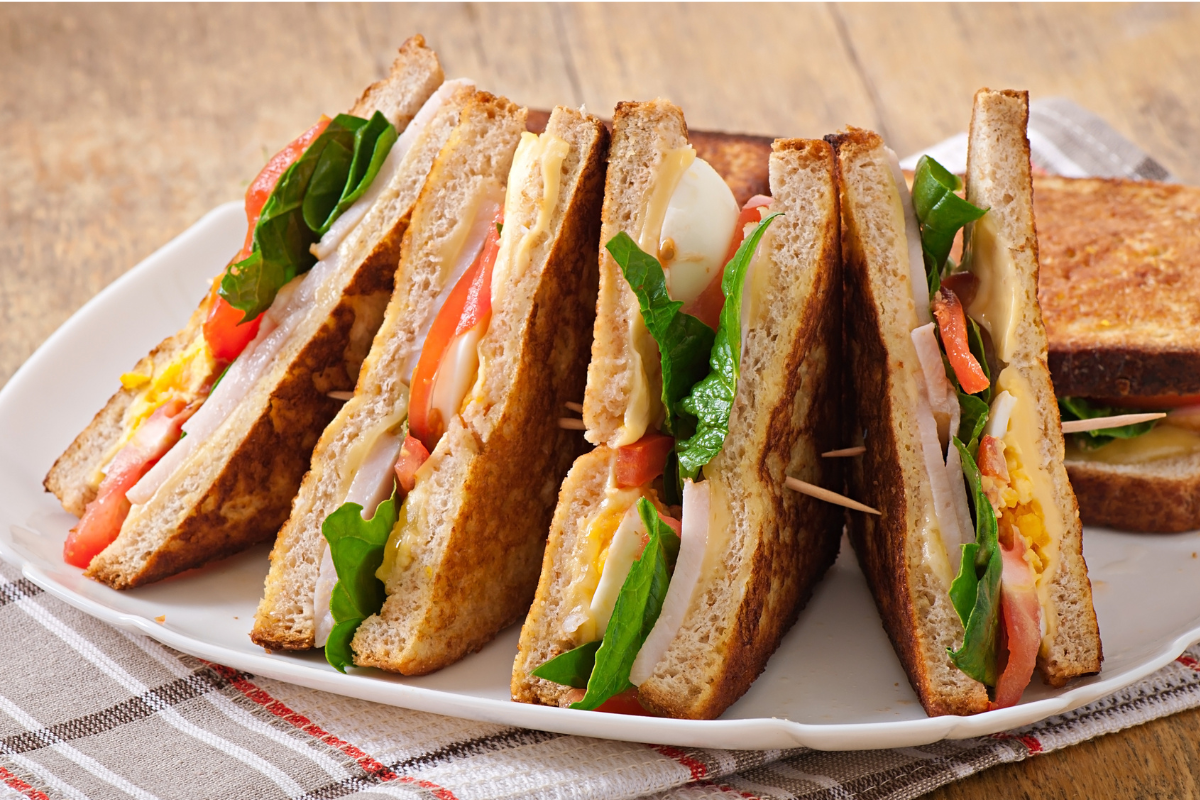
Embark on a culinary adventure as you delve into the art of toast making. It all starts with selecting the perfect bread, whether it’s a hearty whole grain loaf or a fluffy brioche slice. The key is to toast it just right – crispy on the outside yet soft and warm inside.
But why stop at basic butter when you can elevate your toast game with creative toppings? Think creamy avocado slices sprinkled with red pepper flakes, or tangy goat cheese drizzled in honey. The possibilities are endless, limited only by your imagination.
Experiment with different textures and flavors to create a symphony for your taste buds. From savory to sweet, there’s no wrong way to enjoy a good piece of toast. So next time you’re in the kitchen, channel your inner chef and turn that humble slice into a work of art!
Exploring Different Types of Bread and Their Unique Flavors
When it comes to creating the perfect toast, the type of bread you choose plays a crucial role in determining its flavor profile. From classic white and whole wheat to artisanal sourdough and hearty rye, each variety brings its own unique texture and taste to the table.
White bread offers a light and fluffy texture with a subtle sweetness, making it a versatile option for both sweet and savory toppings. Whole wheat bread adds nuttiness and earthiness to your toast while providing an extra dose of fiber and nutrients.
For those looking for a tangy twist, sourdough bread delivers a complex flavor profile with its signature slightly sour taste. Rye bread brings a robust depth of flavor with hints of molasses or caraway seeds that pair perfectly with rich toppings like avocado or smoked salmon.
Experimenting with different types of bread can elevate your toast game by introducing new dimensions of taste and texture to your breakfast routine.
Elevating Your Toast Game with Toppings and Spreads
When it comes to elevating your toast game, the possibilities are endless. Toppings and spreads play a crucial role in transforming a simple piece of toast into a culinary delight. From classic options like avocado slices or creamy peanut butter to more adventurous choices like ricotta with honey and figs, the key is to experiment and find what tantalizes your taste buds.
Consider adding some texture with crunchy nuts or seeds, or a burst of freshness with sliced fruits or herbs. Don’t be afraid to mix sweet and savory flavors for a unique twist on traditional toast toppings. Try combinations like goat cheese with roasted grapes or almond butter drizzled with spicy honey.
Get creative with different spreads such as flavored cream cheeses, hummus variations, or homemade jams. The right spread can take your toast from ordinary to extraordinary in just one swipe. Remember, presentation matters too! A beautifully arranged plate of colorful toppings will not only please your palate but also feast your eyes.
Toastuls Tales from Around the World: Global Inspirations for Your Breakfast Table
Step into a world of culinary diversity as we uncover Toastuls Tales from around the globe. From the savory to the sweet, different cultures bring their own unique twist to this humble breakfast staple.
In France, indulge in a decadent slice of pain perdu, their take on French toast, soaked in rich custard and served with fresh berries. Travel to Japan for a taste of shokupan, soft and fluffy white bread perfect for delicate toppings like matcha spread or red bean paste.
Head over to Mexico for molletes, open-faced sandwiches topped with refried beans, cheese, and salsa – a fiesta of flavors on your plate. Across the pond in Australia, enjoy Vegemite on toast for that iconic salty kick loved by many Down Under.
Every corner of the world offers its own interpretation of toast – an invitation to savor global inspirations right at your breakfast table.
Creating a Memorable Brunch Spread for Special Occasions
Special occasions call for extraordinary brunch spreads that leave a lasting impression on your guests. Start by selecting a variety of bread, from crusty baguettes to fluffy brioche, to cater to different tastes and textures. Experiment with unique toppings like avocado slices, smoked salmon, or poached eggs to add layers of flavor and visual appeal.
Incorporate a selection of spreads such as homemade jams, flavored butters, or creamy cheeses to elevate the taste profile of each toast creation. Don’t forget about adding some crunch with nuts or seeds for added texture. Consider including sweet and savory options to cater to diverse preferences.
To round out your brunch spread, include fresh fruits, colorful vegetables, and refreshing beverages like mimosas or freshly squeezed juices. Presentation is key – arrange everything beautifully on platters or boards for an Instagram-worthy display that will impress your guests before they even take a bite.
Remember, creating a memorable brunch spread is all about combining flavors creatively while keeping things simple yet sophisticated. Let your imagination run wild and enjoy the process of curating a delightful experience for those you care about.
Conclusion: Embracing the Simplicity and Deliciousness of Toastuls
As we wrap up our Toastuls journey, let’s savor the simplicity and deliciousness that a humble slice of toast can bring to our lives. From basic breakfasts to creative culinary experiments, toast has proven itself to be a versatile canvas for flavor exploration.
Embracing the art of toast making is not just about what goes on top but also appreciating the unique flavors of different types of bread. Each bite tells a story, connecting us with traditions from around the world and sparking inspiration for new culinary adventures.
Whether you prefer sweet or savory toppings, there is no limit to how you can elevate your toast game. The beauty lies in its versatility – from avocado smash to classic jam spreads, each combination offers a delightful experience for your taste buds.
So next time you reach for that loaf of bread, remember the simple joy that comes with creating your own Toastuls tale. Let your creativity flow and embrace the endless possibilities that this beloved breakfast staple has to offer.
FAQs
Q: What is the best type of bread to use for toast?
A: The best type of bread largely depends on personal preference, but popular choices include sourdough, whole grain, and rye.
Q: Can I make toast without a toaster?
A: Yes, you can make toast using a stovetop, oven, or even a microwave if you don’t have a toaster available.
Q: Are there any vegan-friendly toppings for toast?
A: Absolutely! Avocado, nut butter, hummus, and fruit preserves are excellent vegan-friendly options to elevate your toast game.
Q: How can I get creative with my toast toppings?
A: Experiment with both sweet and savory combinations like ricotta and honey or smoked salmon and cream cheese to add variety to your breakfast routine.
Embrace the simplicity and versatility of Toastuls in your daily meals. Whether you’re looking for quick breakfast ideas or planning a special brunch spread, there’s no limit to the flavorful moments you can create with this humble yet delicious dish. Start your own Toastuls Tales today and let your taste buds travel around the world through each bite!
FOR FURTHER INFORMATION VISIT:http://fitbuff.com
Gathering friends for a great feast full with tasty food, fun games, and treasured memories is the essence of a pollaste party. An regular gathering can be transformed into an unforgettable event by organizing a pollaste party, whether you’re celebrating a special occasion or just enjoying each other’s company. All the information you need to throw a pollaste party that your guests will be talking about for days is right here in this guide.
Meet the Pollaste Party Experts!
In the beginning, pollaste parties were just a fun way for friends to get together and celebrate. “Pollaste” stems from the Estonian word for “chicken,” which represents the concept of coming together for a substantial meal at a table. The easy-going vibe, tasty fare, and stimulating conversation at these gatherings are what make them famous.
Establishing the Scene: Making the Perfect Ambiance
Personalizing Your Area
With a few well-placed accent pieces, you can turn any room into a warm and welcoming retreat. To create a cozy and inviting atmosphere, you might want to use candles, fresh flowers, and fairy lights.
Picking the Perfect Song
Make a selection of lively songs to get everyone in the party spirit and establish the tone for the night. Pick a variety of styles to appeal to a wide range of listeners’ preferences.
Delicious Dishes for Any Taste: The Essential Menu
Party Appetizers to Get Things Started
Appetizers like bruschetta, stuffed mushrooms, and cheese platters are the perfect way to kick off the celebrations. Your guests’ taste buds will be piqued and their appetites whetted with these bite-sized delicacies.
Extravaganza in the Main Course
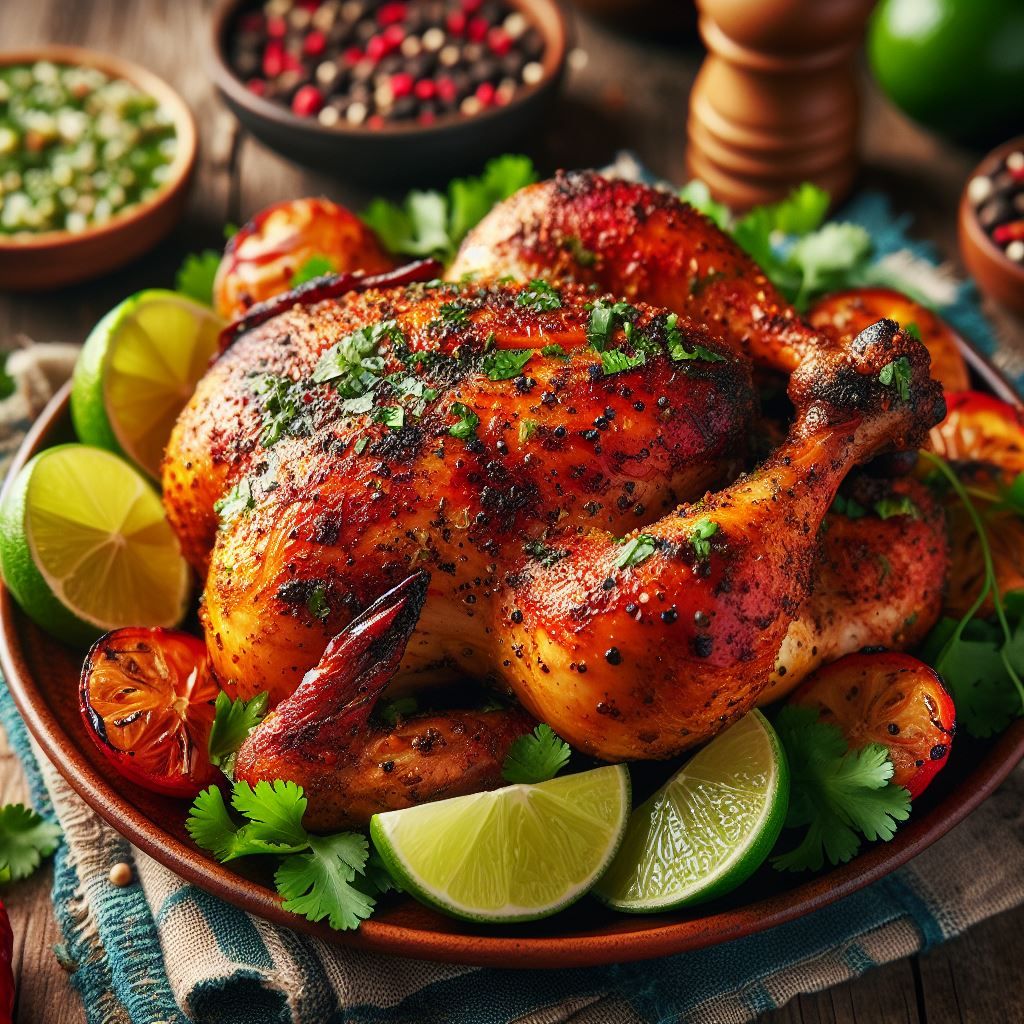
When planning the main course, think about offering a selection of foods that can accommodate various dietary needs. Make sure there’s a little bit for everyone by serving a variety of skewers with roasted chicken and veggies as well as hearty pasta dishes.
Final Treats: Desserts That Will Astound Your Visitors
An extravagant assortment of sweets is essential for every pollaste celebration. Chocolate fondue, fruit tarts, and handmade cookies are some of the most decadent desserts you can serve to visitors. Make sure there are some lighter choices for people who are watching their weight.
Drinks: From Invigorating Mojitos to Crafted Signature Cocktails
Mix up some mocktails, cocktails, and non-alcoholic drinks to quench your guests’ thirst. To make the celebration more unique and in keeping with the theme, you might want to think about making signature cocktails.
YOU MAY LIKE: Benefits Of AI In Healthcare
Games and Interactive Exercises
Icebreaker Games
Games such as charades, trivia, and board games are great icebreakers and conversation starters. By participating in these events, you can assist your guests in overcoming their inhibitions and developing a feeling of community.
Hands-On Work Spaces
Create your own beverages, design cupcakes, and make unique party favours by setting up DIY stations. All evening long, these interactive games will keep kids and adults alike occupied and entertained.
Making a Lasting Impression: Photography and Accessories
Have fun capturing the evening’s enchantment in a designated photo booth area furnished with backdrops and props. Inspire your visitors to snap a photo so they can remember the occasion forever.
Making Sure Everyone Is Comfortable: Seating and Lighting
Gather your guests into cosy lounging areas so they can unwind in the intervals between courses. To make it more inviting for relaxing and chatting, scatter some blankets and pillows around.
Being an Excellent Host or Hostess: A Master Class in Hosting
It is your responsibility as host or hostess to ensure that your visitors feel comfortable and appreciated. Make sure everyone has a good time by personally greeting them and checking in with them throughout the evening.
The Easiest Way to Clean Up After a Party
Use disposable cutlery, glasses, and plates to cut down on cleaning up after the party. To make clean-up easier and faster, ask guests to pitch in as the night goes on.
Low-Cost Pollaste Party Ideas That Won’t Break the Bank
The cost of throwing a pollaste party can be kept to a minimum. If you want to keep prices low without compromising style or quality, get creative with the menu planning, decor selections, and entertainment alternatives.
Adapting to Individual Preferences and Dietary Limitations
Plan your food with your visitors’ tastes and dietary limitations in mind. To make sure that everyone can partake in the feast, include a range of options for vegans, vegetarians, and others with dietary restrictions.
Managing Guest Lists Efficiently: Invitations and RSVPs
To assist with the planning of food, drinks, and seating arrangements, send out invitations ahead of time and ask for RSVPs. If you want to be sure that everyone responds quickly and easily, think about using an online invitation tool.
Things to Think About When It Comes to Health and Safety: Making Sure Everyone Can Stay Safe
Make sure your guests are safe by taking the necessary precautions for their health. Make sure food is cooked and served in a safe environment, set up stations for hand sanitizer, and promote social distance whenever possible.
Challenging Conventional Wisdom: How to Make Your Pollaste Party Unique
Make your pollaste party one-of-a-kind and unforgettable by adding some personal touches. Themed decorations, personalized cocktails, and unique party favours are all great ways to show off your individuality and hobbies.
Conclusion: Honouring Our Bonds as Friends and Neighbours
Finally, a pollaste party is a great excuse to get everyone together and celebrate friendship. If you want to make your guests’ stay one they will never forget, it’s important to pay close attention to detail, be creative, and put their comfort and happiness first.
Answers to Common Questions
If I throw a pollaste party, how do I make sure everyone has a good time?
Take care of your guests by making them feel at home, preparing a tasty dinner, and giving them something fun to do.
For a pollaste party, what would be some inexpensive cuisine options?
Things like pasta salads, grilled veggies, and homemade dips are great options because they require few ingredients and can be cooked in large quantities.
What am I to do if any of my guests have food allergies or intolerances?
Inquire ahead of time if any of your guests have food allergies or intolerances, and adjust the menu appropriately. Various dietary demands can be met by providing a range of options.
May you think of any unique ways that I may make my pollaste party more special?
Make use of themed cocktails, interactive games, and personalized decorations to showcase your individuality.
What can I do to make sure the party cleans up quickly and easily?
Minimize the post-party clean-up chore by using disposable tableware and encouraging guests to help tidy up during the evening.
FOR FURTHER INFORMATION VISIT:http://fitbuff.com
-

 Pet10 months ago
Dog Training Tips: Throw me a bone, will you?
-
 Health10 months ago
What Is Healthy?
-

 Entertainment2 months ago
YoungTube 101: Tapping the Youthful Side of Online Video
-

 Fitness4 months ago
The Allure of Sports T-Shirts: A Blend of Style and Team Spirit:
-

 Fitness10 months ago
Total Mind and Body Fitness Blog Carnival 165
-

 Entertainment10 months ago
4 Reasons Why She Doesn’t Call You Back
-
Fitness9 months ago
Total Mind and Body Fitness Blog Carnival 141
-

 Fitness10 months ago
How to Stay Fit While On Vacation