
Fitness
New HIIT Training Technique – Not The Same ‘ol Sh-HIIT!


Yes, there’s already a new HIIT training technique.
I know the entire concept of high-intensity interval training is fairly new in and of itself. Still, things change quickly — hopefully not as frequently as new iPod models, or you may be changing techniques three times before you’re even warmed up!
There are already several variations of HIIT, but the changing variables tend to be either the duration of the intervals or the different equipment/methods (exercise bike, sprinting, elliptical machine, etc.).
You can read all about the “old school” HIIT training here because let’s face it: any technique is better than none. In fact, the old way is still amazingly effective, and you may actually prefer it, but I’ve absolutely fallen in love with the “new school.”
HIIT Training 2.0
This new technique is most effective and easiest to perform on an exercise bike, which just happens to be my weapon of choice for my HIIT workouts. You can adapt this method to sprinting or ellipticals as well, but I’ve always liked the exercise bike, because I can use it anytime right here at home (none of those “I don’t have time to drive to the gym excuses”!).
Ok, so keeping with the exercise bike example, I, along with most other HIIT’ers, would (back in the old days of about two weeks ago) pedal along at a high-intensity pace (100-150RPM) for a certain amount of time (30-60seconds), followed by a low-intensity pace (50-75RPM) for a bit, then rinse and repeat.
As I said, this works wonders for anyone who can keep up the intensity for a relatively short time. Most HIIT sessions take only about 10-20 minutes; if you’re lasting longer than that, then you probably overlooked the “high intensity” portion of H.I.I.T.
The only problem I was having, as my endurance increased and my intensity got higher and higher to keep up, during my high intensity intervals, I was topping out over 160-170RPM (rotations per minute).
Not only did this make me look like a bouncing, schizophrenic lunatic, it put unnecessary stress on my knees and hips.
But, how can I keep up the intensity without continuing to increase my RPM?
Viva La Resistance
Resistance. So simple, yet I never thought of it, until I was browsing and read an article by Craig Ballantyne.
Craig knows his stuff, so the idea really intrigued me. He writes for several health and fitness magazines, including Men’s Health and Men’s Fitness, and he creates some excellent workouts for everyone from beginners to elite athletes (heard of the Bodyweight 500? you can thank Craig for that one as you struggle to pick yourself up off the floor).
So, by keeping the RPM constant and adjusting the resistance up and down for each interval, you get the same benefits of high intensity vs. low intensity, but without the potential joint stress.
If you’re already doing HIIT on a regular basis, try it out as a change-up to your regular routine. For the first-timers, read the original HIIT article for more background on the training method, then try out both techniques.
HIIT By The Numbers
We’re all at different fitness levels, but I’ll give you my numbers as something to compare to if you need to figure out how your current RPM technique will convert to the resistance technique:
“Old School” (adjusting RPM)
- Low intensity intervals: 70RPM on resistance level 5 for 30 seconds
- High intensity intervals: 150RPM on resistance level 5 for 30 seconds
Here’s what I do now to achieve the same level of intensity and workload while keeping the RPM constant:
“New School” (adjusting resistance level)
- Low intensity intervals: 100RPM on resistance level 3 (out of 10) for 60 seconds
- High intensity intervals: 100RPM on resistance level 8 (out of 10) for 60 seconds
Again, you can play around with the numbers since everyone’s body and equipment is going to be different, as long as you stick with the basic idea of adjusting resistance levels while keeping RPM fairly constant.
Adapting To Other Methods
If you usually do cardio on another type of machine, like an elliptical for example, then adapting this technique to your workout should be fairly easy, as most exercise equipment has an option to digitally or manually increase resistance.
For example, on a treadmill, rather than increasing the speed, you could increase the incline during your high intensity intervals, then bring the incline back down during the low intensity intervals.
If you’re not part of the pasty, digital-world bunch, and you prefer actually to run out in the real world, things get a little bit trickier.
When you’re using running as your HIIT method, your high intensity intervals are going to be significantly shorter, because not many people can maintain a true sprinting pace for 30-60 seconds.
You can always experiment with these attractive running parachutes to increase resistance, but you may find them to be a bit impractical with the shorter intervals, in which case you can just keep it “old school.”
No matter what method, technique, or variation you choose, you simply can’t go wrong with any type of HIIT training.









Introduction to Gelamento and its Origin
Step into the world of Gelamento, where frozen delights are transformed into artisanal masterpieces that tantalize your taste buds and ignite your senses. Originating from the rich culinary traditions of Italy, Gelamento is more than just ice cream – it’s a luxurious experience crafted with passion and precision. Join us on a journey to discover what sets Gelamento apart and why this delectable treat has captured the hearts of food enthusiasts worldwide.
What Makes Gelamento Different from Ice Cream?
Gelamento stands out from traditional ice cream due to its rich and dense texture. Unlike ice cream, gelamento contains less air whipped into the mixture during the churning process, resulting in a smoother and silkier consistency that melts perfectly on your tongue.
One key difference is the lower fat content in gelamento compared to regular ice cream. Gelamento typically uses whole milk instead of heavy cream, making it a lighter option without compromising on flavor or indulgence.
Another distinguishing factor is the serving temperature. Gelamento is stored at slightly higher temperatures than ice cream, allowing it to have a softer texture that enhances the overall taste experience.
Additionally, gelamento is known for its intense flavors as it has less butterfat coating your taste buds, allowing you to fully savor each ingredient used in every scoop.
The Benefits of Gelamento
Indulging in it goes beyond satisfying a sweet tooth; it offers a range of benefits that set it apart from traditional ice cream. With its lower fat content, gelamento is a lighter alternative that doesn’t compromise on flavor or texture.
One key advantage of it is its dense and creamy consistency, achieved through churning at slower speeds and incorporating less air during the freezing process. This results in a more intense taste experience with each spoonful.
The use of natural ingredients in it contributes to its nutritional value, making it a healthier dessert option compared to mass-produced ice creams loaded with artificial flavors and preservatives. Plus, the slower freezing process enhances the depth of flavors for a truly decadent treat.
Whether you’re looking for a guilt-free indulgence or simply seeking out new flavor sensations, embracing gelamento allows you to savor every mouthful without compromising on quality or taste.
The Ingredients in Gelamento
Gelamento is crafted with a few simple yet high-quality ingredients, setting it apart from traditional ice cream. One of the key components in gelamento is milk or water – this forms the base that gives it its creamy texture. Sugar is added to sweeten the mix, enhancing its flavor profile. To thicken the mixture and provide that luscious mouthfeel, gelatine or stabilizers are often incorporated.
Fresh fruit purees, nuts, chocolates, and other natural flavors give each batch of gelamento its unique taste. These premium ingredients contribute to the rich and intense flavors that set it apart from regular frozen desserts. Unlike conventional ice cream recipes loaded with artificial additives and preservatives, gelamento focuses on simplicity and purity in its ingredient selection.
By using only a handful of top-notch components in their creations, artisanal gelato makers ensure that every spoonful delivers a delightful burst of authentic taste.
Popular Flavors and Unique Creations
Gelamento offers a wide array of popular flavors that cater to every palate. From classic options like creamy vanilla and decadent chocolate to more adventurous choices like tangy mango sorbet or rich pistachio, there’s something for everyone.
But what truly sets it apart are its unique creations that push the boundaries of traditional frozen desserts. Imagine indulging in a refreshing cucumber mint gelato on a hot summer day or savoring a delicate lavender honey combination that tantalizes your taste buds.
For those feeling bold, why not try the intriguing black sesame gelato or the exotic lychee rose sorbet? These inventive flavors showcase the creativity and innovation behind it’s artisanal approach to frozen delights.
Whether you prefer sticking to classics or exploring new flavor experiences, Gelamento has something special waiting for you at every scoop.
The Growing Popularity of Gelamento in the Food Industry
It has been taking the food industry by storm, captivating taste buds with its rich and creamy texture. With a focus on quality ingredients and artisanal craftsmanship, it offers a unique frozen dessert experience that sets it apart from traditional ice cream.
More and more people are seeking out gelamento shops to indulge in these luxurious treats that come in an array of decadent flavors. From classic favorites like pistachio and dark chocolate to innovative creations like lavender honey swirl or mango chili lime, gelamento offers something for every palate.
The growing popularity of gelamento can also be attributed to its versatility as a dessert option. Whether enjoyed on its own or paired with fresh fruit, nuts, or sauces, it provides endless customization possibilities for food enthusiasts looking to elevate their dessert game.
As consumers become more discerning about what they eat. The rise of artisanal frozen delights like gelamento signifies a shift towards appreciating quality over quantity in the culinary world. Stay tuned as this delectable trend continues to make waves in the food industry!
How to Make Your Own Gelamento at Home
Have you ever wanted to try your hand at making gelato at home? With a few simple ingredients and a bit of patience, you can create your own artisanal frozen delight right in your kitchen.
Start by gathering high-quality milk, sugar, and any flavors or mix-ins you desire. For a classic gelato base, simmer the milk and sugar together until they dissolve completely. Allow the mixture to cool before adding in your flavorings.
Whether you’re craving traditional vanilla bean or something more adventurous like pistachio or raspberry swirl. The possibilities are endless when it comes to homemade gelato. Experiment with different combinations to find your perfect flavor profile.
Once you’ve mixed in your desired flavors, transfer the mixture to an ice cream maker and churn according to the manufacturer’s instructions. The result? Creamy, luxurious gelato that rivals any store-bought treat!
Where to Find Authentic Gelamento Shops
Looking to treat yourself to some authentic it? Look no further than specialty gelato shops that prioritize quality and craftsmanship. These hidden gems can be found in bustling city centers. Quaint neighborhoods, or even tucked away in unexpected corners.
To discover the best Gelamento experience, keep an eye out for shops that boast handcrafted batches made with fresh and high-quality ingredients. Authentic it makers take pride in their artistry. Often showcasing a wide array of flavors that cater to both classic tastes and adventurous palates.
When seeking out these artisanal frozen delights, don’t overlook local markets or festivals where small-batch producers set up shop. Embrace the opportunity to savor unique flavor combinations and innovative creations that are sure to tantalize your taste buds.
Remember, the hunt for authentic Gelamento is part of the fun. So explore different areas of your city or travel off the beaten path to uncover hidden treasures waiting to delight you with every scoop!
Conclusion: Enjoying the Artisanal Experience of Gelamento
Indulging in the artisanal experience of it is a journey through flavors and textures that awaken your taste buds. The rich and creamy consistency, paired with intense fruit or nutty notes. Creates a delightful symphony on your palate. Each spoonful is an adventure waiting to be savored.
Exploring the world of it opens up a realm of possibilities where traditional recipes meet innovative creations. From classic favorites like Stracciatella to exotic blends like Passionfruit Sorbet. There’s always something new to discover and enjoy.
Visiting authentic Gelamento shops allows you to witness skilled artisans crafting frozen delights right before your eyes. The dedication to quality ingredients and meticulous attention to detail shine through in every batch produced.
So next time you crave a sweet treat that transcends ordinary ice cream. Immerse yourself in the enchanting world of it. It’s not just dessert; it’s an experience worth savoring.
FAQs
Q: Is Gelamento the same as gelato?
A: While both are frozen desserts, gelato typically has a lower fat content and is churned at a slower speed compared to it, resulting in a denser texture.
Q: Can I make Gelamento without an ice cream maker?
A: Yes, you can make it at home without an ice cream maker by using hand mixing methods or alternative freezing techniques.
Q: What sets Gelamento apart from traditional ice cream?
A: The difference lies in the ingredients used and the churning process. It tends to have a smoother texture due to less air being incorporated during the freezing process.
Q: Are there vegan options available for Gelamento?
A: Yes, many Gelamento shops offer dairy-free and vegan options made with plant-based milk such as almond milk or coconut milk.
FOR FURTHER INFORMATION VISIT:http://fitbuff.com
Introduction to Fitosterina
Are you ready to take your fitness journey to the next level? Meet Fitosterina, your new secret weapon in achieving your health and wellness goals. In this blog post, we’ll dive into how Fitosterina can empower you on your path to a stronger, healthier self. Let’s unlock the potential of nutrition, exercise, and supplementation together!
Understanding the Power of Nutrition in Fitness
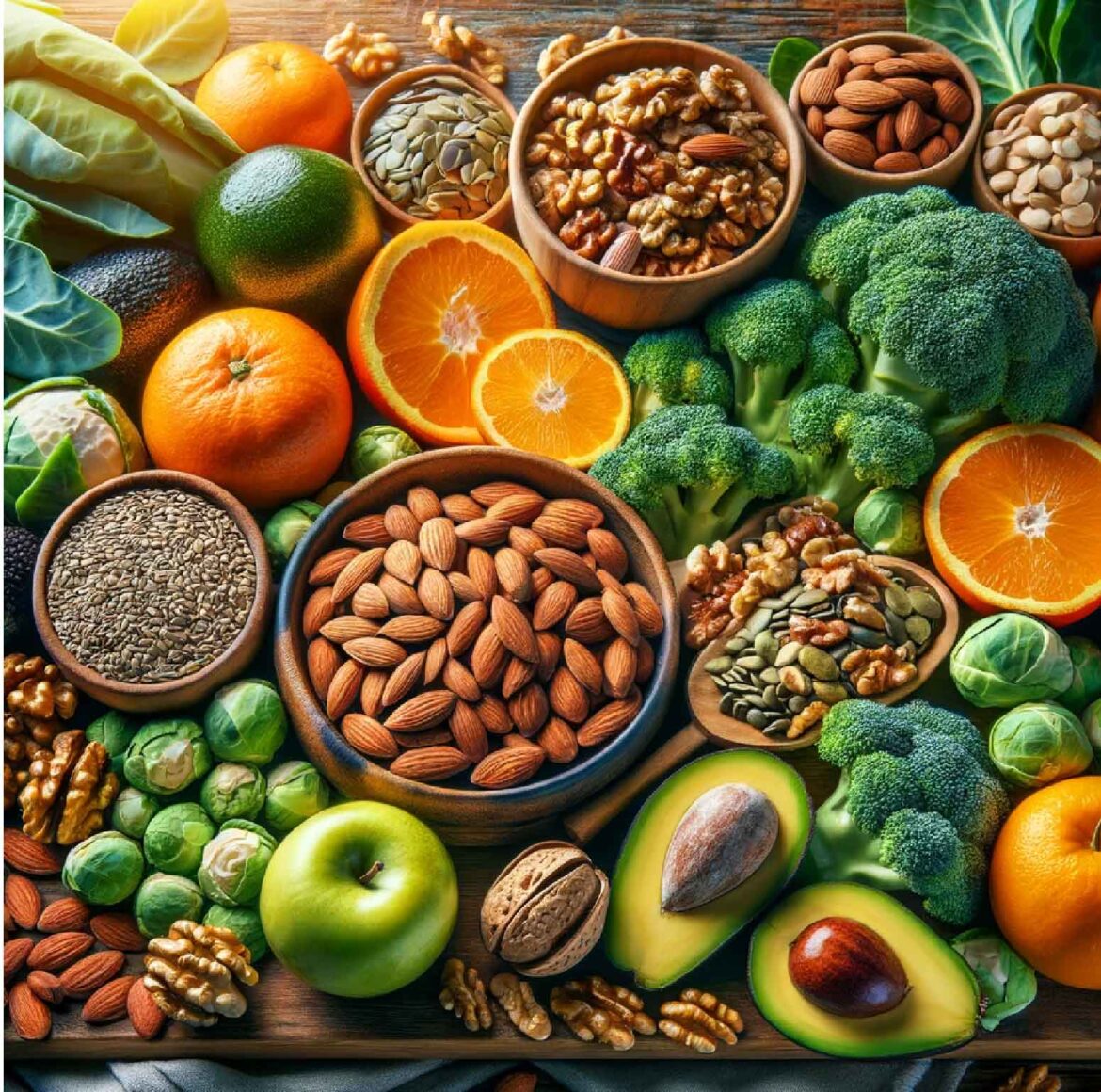
Fueling your body with the right nutrients is crucial when it comes to achieving your fitness goals. Nutrition plays a fundamental role in providing the energy and building blocks necessary for muscle growth and recovery.
A balanced diet rich in proteins, carbohydrates, healthy fats, vitamins, and minerals is essential to optimize performance during workouts and support overall health. Protein aids in muscle repair, while carbohydrates provide the energy needed for intense training sessions.
Incorporating whole foods like lean meats, fruits, vegetables, whole grains, and nuts into your meals can help you maintain a well-rounded diet that supports your fitness journey. Hydration is also key – drinking enough water throughout the day ensures proper bodily function during exercise.
Understanding how different nutrients impact your body can empower you to make informed choices that enhance your physical performance and endurance levels. Remember: food is fuel!
The Role of Exercise in Achieving Your Fitness Goals
Exercise plays a crucial role in achieving your fitness goals. It not only helps you burn calories but also strengthens your muscles and improves overall health. Whether it’s cardio, strength training, or yoga, incorporating regular exercise into your routine is key to enhancing your fitness journey.
Cardiovascular activities like running or cycling elevate your heart rate, promoting endurance and burning fat. Strength training with weights or bodyweight exercises builds muscle mass, boosts metabolism, and enhances physical strength. Yoga combines flexibility and mindfulness to improve balance, reduce stress levels, and promote relaxation.
Consistency is key when it comes to exercise – setting realistic goals and sticking to a workout schedule will help you stay on track. Remember that every workout counts towards progress, no matter how small. Mix up your routine to keep things interesting and challenge different muscle groups.
Find activities that you enjoy to make exercising feel less like a chore and more like a rewarding experience. Tailor your workouts based on your fitness level and listen to your body’s cues for rest and recovery. By staying active and committed to regular exercise sessions, you’ll be well on your way towards achieving the fitness goals you’ve set for yourself!
Using Fitosterina as a Supplement to Enhance Your Journey
When it comes to enhancing your fitness journey, incorporating supplements can be a game-changer. Fitosterina, with its natural plant sterols, is one such supplement that can support your goals. These plant compounds are known for their potential in promoting heart health and aiding in cholesterol management.
By adding Fitosterina to your daily routine, you can complement your diet and exercise efforts. Whether you’re focusing on weight loss or muscle gain, the added support from this supplement can help optimize your progress. Remember, consistency is key when it comes to seeing results.
It’s essential to consult with a healthcare professional before introducing any new supplement into your regimen. They can provide guidance on the appropriate dosage and ensure that Fitosterina aligns with your individual needs and health goals.
Incorporating Fitosterina as part of a holistic approach to wellness may just be the boost you need to take your fitness journey to the next level.
Real Life Success Stories with Fitosterina
Embarking on a fitness journey is both exhilarating and challenging. With the right tools and determination, achieving your goals becomes more attainable. Fitosterina has been a game-changer for many individuals striving to enhance their fitness levels.
Real life success stories with Fitosterina showcase the transformative impact of this supplement. From increased energy levels to improved muscle recovery, users have reported noticeable enhancements in their overall performance.
One user shared how incorporating Fitosterina into their routine helped them break through a plateau and reach new personal bests at the gym. Another individual praised the supplement for aiding in faster post-workout recovery, allowing them to push harder during each session.
These success stories highlight the potential benefits of integrating Fitosterina into your fitness regimen. Whether you’re looking to boost endurance, build strength, or accelerate results, this supplement could be the missing piece to elevate your journey towards optimal fitness.
Tips for Incorporating Fitosterina into Your Routine
To seamlessly incorporate Fitosterina into your daily routine, start by setting a consistent schedule for taking the supplement. Consider adding it to your morning routine or post-workout regimen for optimal results. Remember to follow the recommended dosage guidelines provided on the product label.
Another tip is to pair Fitosterina with a balanced diet and regular exercise routine. This synergistic approach can enhance its effectiveness in supporting your fitness goals. Additionally, stay hydrated throughout the day to maximize the benefits of Fitosterina and aid in absorption.
To avoid forgetting to take your daily dose of Fitosterina, consider setting a reminder on your phone or placing the bottle in a visible location as a visual cue. Making it a habit will help ensure you stay on track with incorporating this supplement into your lifestyle effortlessly.
Experiment with different ways of consuming Fitosterina – whether mixed into smoothies, shakes, or simply taken with water. Find what works best for you and makes it easier to integrate into your routine seamlessly.
Conclusion: Empowering Yourself with Fitosterina
Embark on your fitness journey with confidence, knowing that Fitosterina is by your side to support you every step of the way. Empower yourself with this natural supplement that can enhance your overall well-being and help you achieve your fitness goals faster.
By incorporating it into your routine, you are investing in a powerful ally that can boost your energy levels, improve recovery time, and optimize performance during workouts. Say goodbye to feeling sluggish or hitting plateaus – with Fitosterina, the possibilities for progress are endless.
Take control of your health and elevate your fitness game with the help of Fitosterina. Whether you’re a seasoned athlete or just starting out on your wellness journey, this supplement can be a game-changer in helping you reach new heights. Trust in the power of nature and unlock your full potential with Fitosterina today!
FAQs
1. What is Fitosterina?
Fitosterina is a natural supplement derived from plant sterols that can support your fitness journey by promoting overall health and well-being.
2. How does Fitosterina enhance my fitness goals?
Fitosterina works by helping to reduce cholesterol levels, improve heart health, and support immune function, all of which are essential for optimal performance during exercise.
3. Can I take Fitosterina with other supplements?
Yes, Fitosterina can be safely taken alongside other supplements as part of a balanced diet and healthy lifestyle.
4. Are there any side effects of taking Fitosterina?
Generally, it is well-tolerated; however, it’s always recommended to consult with a healthcare professional before starting any new supplement regimen.
5. How long does it take to see results with Fitosterina?
Results may vary from person to person, but incorporating it into your routine consistently can lead to noticeable improvements in your fitness journey over time.
6. Is Fitosterina suitable for vegetarians or vegans?
Yes, as a plant-derived supplement, Fitosterina is suitable for both vegetarians and vegans looking to boost their nutrient intake naturally.
7. Can I take Fitosterina along with prescription medications?
It’s important to consult with your healthcare provider before combining any supplement with prescription medications to ensure there are no potential interactions.
8. How should I incorporate Fitosterina into my daily routine?
Fitosterina can be easily added to smoothies, juices or sprinkled on top of meals for an extra nutritional boost that supports your active lifestyle.
⠀
9. Can Fitosterina replace a balanced diet and regular exercise?
While it can complement a healthy diet and exercise routine,
it’s not intended as a replacement – maintaining good nutrition habits and staying physically active are key components of achieving fitness goals.
⠀
FOR FURTHER INFORMATION VISIT:http://fitbuff.com

Introduction to Anytime Fitness
Welcome to the fitness revolution where your health and wellness journey never sleeps! Imagine having the power to prioritize your well-being on your schedule, anytime, anywhere. That’s the beauty of Anytime Fitness – a 24/7 gym that opens its doors for you whenever motivation strikes. Say goodbye to restrictive gym hours and hello to a personalized approach towards achieving your fitness goals. Let’s dive into why Anytime Fitness is not just a gym but your ultimate key to round-the-clock health and wellness success!
The Benefits of a 24/7 Gym
Embracing the concept of a 24/7 gym opens up a world of possibilities for your fitness journey. No longer constrained by traditional opening hours, you have the freedom to work out on your own schedule, whether it’s early morning or late at night. This flexibility allows you to prioritize your health without compromising on other commitments.
Having access to a gym that operates round the clock means you can avoid peak times and crowded spaces. Enjoying a quieter environment during off-peak hours enables you to focus more on your workout and make the most out of every session. The convenience of being able to exercise whenever suits you best is invaluable in maintaining consistency and motivation.
Moreover, the accessibility of a 24/7 gym caters to individuals with different lifestyles and schedules. Whether you’re an early riser, night owl, or somewhere in between, having unlimited access ensures that there are no obstacles standing between you and your fitness goals.
Personalized Fitness Plans
At Anytime Fitness, personalized fitness plans are a key aspect of your health and wellness journey. When you join this 24/7 gym, you’re not just getting access to equipment; you’re gaining a customized roadmap to reach your goals.
The beauty of personalized fitness plans lies in their tailored approach. Your plan is designed specifically for you – taking into account your current fitness level, health concerns, and ultimate objectives. This individualized focus ensures that every workout is purposeful and effective.
With the guidance of experienced trainers, you’ll receive expert advice on exercises, nutrition, and lifestyle adjustments. These professionals work with you one-on-one to create a plan that fits seamlessly into your routine while challenging you to push beyond your limits.
By having a personalized fitness plan at Anytime Fitness, you’ll find yourself more motivated and accountable than ever before. Each session becomes an opportunity for growth and progress towards becoming the best version of yourself – physically and mentally.
Access to State-of-the-Art Equipment
At Anytime Fitness, you have access to top-of-the-line equipment that caters to all fitness levels and goals. Whether you’re into cardio, strength training, or functional workouts, there’s something for everyone in the well-equipped gym.
From treadmills and ellipticals to free weights and resistance machines, you’ll find everything you need to challenge yourself and push your limits. The state-of-the-art equipment is not only modern but also user-friendly, making it easy for beginners to get started and for seasoned athletes to level up their routines.
With advanced features like digital tracking systems and interactive screens, working out becomes more engaging and motivating. You can track your progress, set new goals, and enjoy a seamless workout experience with the latest technology at your fingertips.
Forget about waiting in line or feeling limited by outdated machines – at Anytime Fitness, you’ll have the tools necessary to elevate your fitness journey and achieve results efficiently.
Inclusive Community and Support System
Anytime Fitness prides itself on fostering an inclusive community and support system that welcomes individuals of all backgrounds and fitness levels. Stepping into the gym, you’ll instantly feel the positive energy and encouragement from staff and fellow members alike. It’s a place where everyone is accepted and supported on their health journey.
Whether you’re a beginner or a seasoned gym-goer, there’s always someone to cheer you on or offer guidance. The sense of camaraderie creates a motivating environment where you can push yourself to new heights while feeling like part of a family.
From group classes to personal training sessions, the supportive atmosphere extends beyond just working out. You’ll find like-minded individuals who share similar goals and are there to celebrate your successes with you.
At Anytime Fitness, it’s not just about physical strength; it’s also about building mental resilience through the bonds formed within the community. Together, we sweat, laugh, and grow stronger every day – because when we lift each other up, we all succeed in reaching our wellness goals.
Flexible Membership Options
At Anytime Fitness, we understand that everyone’s fitness journey is unique. That’s why we offer flexible membership options to cater to your specific needs and schedule. Whether you’re a night owl who prefers late-night workouts or an early bird looking to hit the gym at sunrise, our 24/7 access allows you to work out whenever it fits into your day.
With no long-term contracts and affordable pricing plans, you have the freedom to choose the membership option that works best for you. Whether you want full access to all club amenities or prefer a more basic package, there’s a membership level that aligns with your goals and budget.
We believe in making health and wellness accessible to everyone, which is why we strive to provide flexible membership options that empower you on your fitness journey. Join us at Anytime Fitness and discover how easy it can be to prioritize your health on your terms.
Testimonials from Anytime Fitness Members
Ever wondered what real people have to say about their experience at Anytime Fitness? Let’s hear it straight from the members themselves.
Sarah, a regular at her local Anytime Fitness, raves about the customized workout plan she received from her dedicated trainer. She credits the personalized approach for helping her achieve her fitness goals faster than ever before.
John, another member, praises the 24/7 access as a game-changer for his busy schedule. Being able to work out whenever he wants has made staying consistent with his fitness routine effortless.
Lisa appreciates the supportive community at Anytime Fitness. Encouragement from staff and fellow members keeps her motivated on days when she needs an extra push.
These testimonials showcase just a glimpse of the positive impact Anytime Fitness has had on its members’ lives. Their stories serve as inspiration for anyone looking to embark on their health and wellness journey.
Conclusion: Why Anytime Fitness is the Ultimate Choice for Your Health and Wellness Journey
When it comes to choosing a gym that truly cares about your health and wellness journey, Anytime Fitness stands out as the ultimate choice. With its 24/7 access, personalized fitness plans, state-of-the-art equipment, inclusive community, and flexible membership options, Anytime Fitness offers everything you need to reach your goals.
Whether you’re an early bird or a night owl, you can work out at Anytime Fitness at any time that suits your schedule. The gym’s dedicated trainers are there to create customized workout plans tailored to your specific needs and goals.
With top-notch equipment at your disposal, from cardio machines to free weights, you’ll have everything you need for a successful workout session. Plus, the supportive community at Anytime Fitness will cheer you on every step of the way.
Joining it is not just about hitting the gym; it’s about embarking on a holistic wellness journey surrounded by like-minded individuals who share your commitment to health and fitness.
FAQs
1. What are the operating hours of Anytime Fitness?
Anytime Fitness is open 24/7, allowing you to work out whenever it fits your schedule best.
2. Can I access multiple Anytime Fitness locations with my membership?
Yes, with an Anytime Fitness membership, you have the flexibility to visit any club worldwide.
3. Are personal trainers available at Anytime Fitness?
Absolutely! Certified personal trainers can help tailor a fitness plan specifically for your goals and provide guidance and support along the way.
4. What makes Anytime Fitness equipment stand out from other gyms?
It prides itself on offering state-of-the-art equipment that is well-maintained and regularly updated to keep up with industry standards.
5. Is there a community aspect at Anytime Fitness for motivation and support?
Definitely! Members often find a sense of camaraderie in the inclusive environment fostered by staff and fellow gym-goers.
6. How does billing work for memberships at Anytime Fitness?
Billing cycles are flexible, giving members options such as monthly or annual payments depending on their preferences.
7. Can I try out Anytime Fitness before committing to a membership?
Many clubs offer free trials or guest passes so that potential members can experience what they have to offer before making a decision.
8. Are there group fitness classes available at Anytime Fitness?
Yes, various group classes cater to different interests and fitness levels, adding variety to your workout routine.
9. How does the Myzone heart rate monitoring system benefit members at Anytime Fitness?
The Myzone system tracks your heart rate during workouts, providing real-time feedback and helping you stay within optimal zones for efficient training results.
10. Why should I choose Anytime Fitness over other gyms in terms of health and wellness benefits?
With its 24/7 accessibility, personalized plans tailored by professionals, top-notch equipment, supportive community feel, flexible membership options — all backed by glowing testimonials from satisfied members — choosing
-

 Pet10 months ago
Dog Training Tips: Throw me a bone, will you?
-

 Health10 months ago
What Is Healthy?
-

 Entertainment2 months ago
YoungTube 101: Tapping the Youthful Side of Online Video
-

 Fitness4 months ago
The Allure of Sports T-Shirts: A Blend of Style and Team Spirit:
-

 Fitness10 months ago
Total Mind and Body Fitness Blog Carnival 165
-

 Entertainment10 months ago
4 Reasons Why She Doesn’t Call You Back
-
Fitness9 months ago
Total Mind and Body Fitness Blog Carnival 141
-

 Pet10 months ago
Best Dog Foods